


『Foxboro Turbine Flow Meter Maintenance: Replacing Mechanical Rotors and Restoring K-Factor Alignments』Related information(v cone flow meter|rotary gas meter|gallon meter|gear meter|metal tube rotameter|glass tube rotameter|nutating disk meter|transit time ultrasonic flow meter|wedge flow meter|pd meters|hydraulic flow meter|ultrasonic water flow meter|water flow meter|air flow meter|magnetic water flow meter|oxygen flow meter|gas flow meter|argon flow meter|air velocity meter|gasoline flow meter|fuel flow meter|ultrasonic water meter|digital water meter|nitrogen flow meter|solid flow meter|Oxygen tank flow meter|digital water flow meter|diesel fuel flow meter|steam flow meter|02 flow meter|compressed air flow meter|oil flow meter|liquid flow meter)

Foxboro Turbine Flow Meter Maintenance: Replacing Mechanical Rotors and Restoring K-Factor Alignments
Quick Answer: Replacing a mechanical rotor in a Foxboro turbine flow meter is not a normal shift task. You need the right rotor kit, a clean work area, and a K-factor check after installation. Most field failures come from worn bearings or damaged blades, not from the pickup coil or preamplifier.
Most Foxboro turbine meter failures are mechanical. The pickup coil and preamplifier rarely fail first. The rotor bearings wear, the blades collect solids, or the shaft bends during process upsets. A paint manufacturer in Southeast Asia saw this after a polymer flush sent sticky residue through a DN80 turbine meter. The meter output became unstable at 42 m3/h. The electronics were fine. The rotor was the problem.
When to Replace the Mechanical Rotor
Look at three signals before you open the meter body. Flow reading drops at low flow rates while the process pump speed stays constant. Raw pulse output becomes intermittent even when the preamplifier gain is normal. Another check is to blow clean air across the blades. The rotor should spin freely.
Do not chase the K-factor first. Many maintenance teams adjust the flow computer to compensate for a damaged rotor. That hides the fault. A customer in Vietnam ran a Foxboro turbine meter for six weeks with an offset K-factor because the rotor had a chipped blade. The totalizer error reached 2.7 percent before a batch audit caught the drift.
Rotor Removal Steps on a Foxboro Turbine Meter
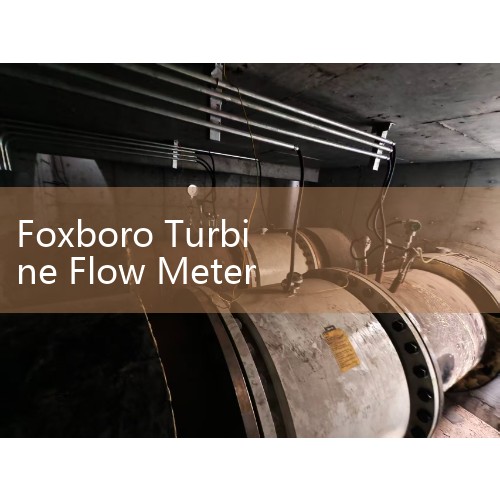
Isolate the meter and depressurize the line. If the meter sits in an ATEX Zone 1 area, complete the gas test and hot work permit first. Remove the upstream and downstream flanges or clamp connections. Foxboro turbine meters often use a removable rotor assembly from one end. Check the metal tag for the flow direction arrow before you pull the retainer ring.
Use a soft jaw vice for the rotor assembly. Do not grip the blades. Press the shaft out with a bearing removal tool, not a hammer. Tungsten carbide bearings crack under shock load. One damaged bearing will ruin the new rotor within days.
Clean the meter bore with a lint free cloth and isopropyl alcohol. Inspect the internal bore for scoring. Any groove deeper than 0.1 mm will disturb the velocity profile near the rotor.
K-Factor Alignment After Rotor Replacement
Every rotor assembly has a unique K-factor. The value is stamped on the rotor hub or listed on the calibration certificate. If you install a replacement rotor from a third party, that rotor may have a K-factor that differs by 0.2 percent to 1.5 percent from the old one.
Enter the new K-factor into the flow computer before the first process run. Do not reuse the old value. The pulse output from the meter is proportional to the rotor blade passage frequency. If the pulse is scaled to a 4-20 mA HART loop, check the scaling and loop current after the rotor install. A worn rotor loses pulse stability. A new rotor with the wrong K-factor will report an accurate pulse train with an incorrect total.
In practice, many sites use a master meter or a weigh scale to verify the new K-factor w
Spare Rotor Selection for Foxboro Meters
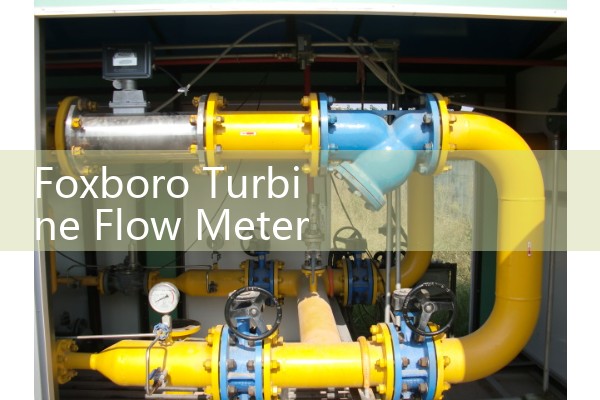
You need the meter model code, the nominal size, the bearing material, and the operating temperature range. DN15 to DN50 meters often use journal bearings. DN80 and larger meters use ball bearings or tungsten carbide sleeves. The rotor material changes with chemical compatibility. 316 stainless steel works for many clean liquids. Hastelloy works better for acids and chlorides.
Silver Automation Instruments supplies replacement mechanical rotors and bearing kits for Foxboro turbine flow meters in oil and gas, water, chemical, and food plants. Send us the tag data from the meter body and a photo of the old rotor. We can match the blade angle, bearing type, and shaft length without changing the meter housing.
Common Field Problems We See
Here is the thing. The biggest mistake is not the rotor install. The biggest mistake is restarting the meter with air still trapped in the meter bore. Air bubbles strike the rotor blades and cause overspeed. That damages the bearings in hours, not weeks. Vent the meter body slowly after startup.
Another issue is reusing old O rings. The O ring material absorbs the process fluid and swells. When you remove the rotor assembly, the old O ring may not seal after reassembly. Install new O rings and check the groove for corrosion. A leaking flange on a DN40 meter caused inaccurate pressure compensation on a desalination plant skid.
FAQ
Can I replace only the bearings and keep the same rotor?
Yes, if the blade edges and shaft are free of wear. Inspect the rotor under magnification. Look for erosion near the hub. If the blade tip clearance has changed, replace the full rotor assembly.
How often should I calibrate a Foxboro turbine flow meter?
Every 12 to 18 months for custody transfer service. Every 24 months for internal process control. After any rotor replacement, verify the K-factor before returning the meter to feed lines.
Does a new rotor always change the K-factor?
Almost always. The difference may be small, but never assume the old value is correct. Check the certificate shipped with the rotor and compare against the flow computer.
What fluid data do you need for a spare rotor quote?
Fluid name, viscosity in cP, density in kg/m3, pressure in bar, temperature in degrees C, pipe size DN, and minimum to maximum flow range. Also send the meter model code if available.
Can Silver Instruments repair the meter or supply only parts?
We supply mechanical rotors, bearing kits, O ring sets, and technical support. Many customers do the mechanical work in their own workshop. We also help with factory calibration references for the new K-factor.
Send us your fluid type, pressure in bar, temperature in degrees C, pipe size DN, and flow range. Contact Silver Instruments for a rotor or K-factor alignment support. Tel: +86-25-68650347. WhatsApp: +86-25-52155837. WeChat: +86 15365082610.
 Hot Product
 Related AD