


『lard oil flow meter』Related information(v cone flow meter|rotary gas meter|gallon meter|gear meter|metal tube rotameter|glass tube rotameter|nutating disk meter|transit time ultrasonic flow meter|wedge flow meter|pd meters|hydraulic flow meter|ultrasonic water flow meter|water flow meter|air flow meter|magnetic water flow meter|oxygen flow meter|gas flow meter|argon flow meter|air velocity meter|gasoline flow meter|fuel flow meter|ultrasonic water meter|digital water meter|nitrogen flow meter|solid flow meter|Oxygen tank flow meter|digital water flow meter|diesel fuel flow meter|steam flow meter|02 flow meter|compressed air flow meter|oil flow meter|liquid flow meter)
 Here is a comprehensive English article on the topic of "Lard Oil Flow Meter," written to be informative and suitable for technical readers or industry professionals.
---
**Measuring the Flow of Lard Oil: Challenges and Solutions for Industrial Flow Meters**
In the world of industrial fluid handling, not all liquids behave like water. One such challenging fluid is lard oil—a rendered form of pig fat used extensively in cooking, biodiesel production, metalworking, and as a lubricant. Accurately measuring the flow rate of lard oil is critical for process control, efficiency, and quality assurance. However, the unique physical properties of lard oil present significant hurdles for standard flow measurement technologies. This article explores the specific challenges of metering lard oil and the most effective flow meter solutions available.
**The Unique Properties of Lard Oil**
To understand why measuring lard oil is difficult, one must first consider its physical characteristics. Lard oil is highly viscous, especially at room temperature. Its viscosity can range from thick and syrupy (like honey) to nearly solid. As a fat, it is also prone to solidification when cooled. Furthermore, lard oil has a non-Newtonian behavior in some conditions; its viscosity can change with the shear rate, meaning it does not flow uniformly like water. It is also opaque, can contain solid particulates, and is prone to fouling—leaving a waxy residue on surfaces. These factors quickly render many common flow meters inaccurate or inoperable.
**The Challenges: Why Standard Meters Fail**
1. **Viscosity Sensitivity:** Traditional differential pressure (DP) meters, such as orifice plates, are highly sensitive to viscosity. Since lard oil’s thic
Here is a comprehensive English article on the topic of "Lard Oil Flow Meter," written to be informative and suitable for technical readers or industry professionals.
---
**Measuring the Flow of Lard Oil: Challenges and Solutions for Industrial Flow Meters**
In the world of industrial fluid handling, not all liquids behave like water. One such challenging fluid is lard oil—a rendered form of pig fat used extensively in cooking, biodiesel production, metalworking, and as a lubricant. Accurately measuring the flow rate of lard oil is critical for process control, efficiency, and quality assurance. However, the unique physical properties of lard oil present significant hurdles for standard flow measurement technologies. This article explores the specific challenges of metering lard oil and the most effective flow meter solutions available.
**The Unique Properties of Lard Oil**
To understand why measuring lard oil is difficult, one must first consider its physical characteristics. Lard oil is highly viscous, especially at room temperature. Its viscosity can range from thick and syrupy (like honey) to nearly solid. As a fat, it is also prone to solidification when cooled. Furthermore, lard oil has a non-Newtonian behavior in some conditions; its viscosity can change with the shear rate, meaning it does not flow uniformly like water. It is also opaque, can contain solid particulates, and is prone to fouling—leaving a waxy residue on surfaces. These factors quickly render many common flow meters inaccurate or inoperable.
**The Challenges: Why Standard Meters Fail**
1. **Viscosity Sensitivity:** Traditional differential pressure (DP) meters, such as orifice plates, are highly sensitive to viscosity. Since lard oil’s thic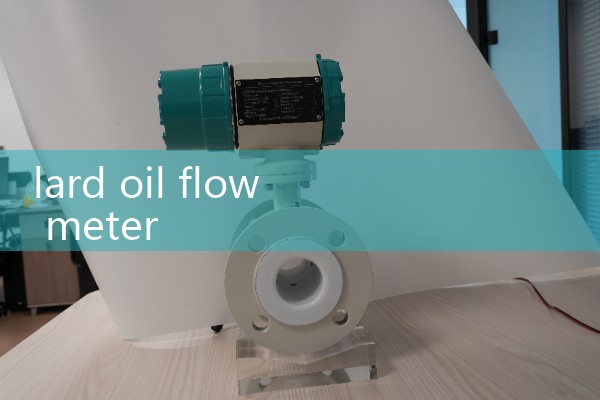
 Hot News
 Related AD