

『Flow Meter Calibration Frequency Analysis: Determining Ideal Recalibration Intervals』Related information(v cone flow meter|rotary gas meter|gallon meter|gear meter|metal tube rotameter|glass tube rotameter|nutating disk meter|transit time ultrasonic flow meter|wedge flow meter|pd meters|hydraulic flow meter|ultrasonic water flow meter|water flow meter|air flow meter|magnetic water flow meter|oxygen flow meter|gas flow meter|argon flow meter|air velocity meter|gasoline flow meter|fuel flow meter|ultrasonic water meter|digital water meter|nitrogen flow meter|solid flow meter|Oxygen tank flow meter|digital water flow meter|diesel fuel flow meter|steam flow meter|02 flow meter|compressed air flow meter|oil flow meter|liquid flow meter)
Flow Meter Calibration Frequency Analysis: Determining Ideal Recalibration Intervals
Quick Answer: Most industrial flow meters need a calibration check every 12 months. Coriolis and electromagnetic meters on clean liquids can often run 12 to 24 months. Abrasive slurries, coating fluids, high temperature gas, and mechanical meters may need checks every 3 to 6 months.
Silver Automation Instruments is a flow meter manufacturer and supplier serving industrial end users and distributors in Southeast Asia, Oceania, Latin America, Africa, and the Middle East.
Why Calibration Intervals Are Not Fixed
Here is the thing. A flow meter is not a static sensor. Temperature swings, electrode coating, bearing wear, vibration, and fluid changes pull the reading away from the factory curve.
Most engineers skip this part. Then a batch weight does not match the totalizer. Or a customer in Lima reports a 2.4 percent delivery mismatch on diesel. The meter did not fail. It drifted.
Calibration frequency depends on meter technology, fluid type, operating hours, and accuracy target. A Coriolis meter on clean water at 25 °C holds accuracy longer than an oval gear meter on heavy fuel oil at 90 °C.
Recalibration Intervals by Meter Type
Coriolis mass flow meters: 12 to 24 months for clean liquids and gases. Use 6 to 12 months for abrasive slurries, high vibration, or billing totalizers. Silver Instruments Coriolis meters with 0.1 percent accuracy should be verified on a master meter or gravimetric rig.
Electromagnetic flow meters: 12 months for water and wastewater. Reduce to 6 months if electrodes coat with grease, lime, or sludge. A desalination plant in Saudi Arabia cut flow error from 1.8 percent to 0.4 percent after moving seawater intake verification at 45,000 µS/cm from 18 months to 6 months.
Ultrasonic flow meters: clamp-on meters need annual verification because coupling gel and pipe scale change readings. Inline gas ultrasonic meters on flare gas or hydrogen may need 6 to 12 months when gas composition changes more than 5 percent.
Vortex flow meters: check saturated steam and compressed air systems every 12 months. Water hammer or wet steam shortens that to 6 months.
Oval gear flow meters: verify diesel, lube oil, and heavy fuel oil every 6 to 12 months. Mechanical clearances change with wear. A paint manufacturer in Vietnam found a 3.1 percent under-read on solvent after 14 months without verification.
Thermal mass flow meters: verify every 12 months for compressed air, nitrogen, and biogas. Recalibrate when gas composition changes by more than 5 percent.
Industry Specific Examples
Oil and gas custody transfer often runs 6 to 12 month proving cycles. Water and wastewater plants use 12 months for clean lines and 6 months for raw sewage or sludge. Food and beverage lines with clean in place cycles from 4 °C to 140 °C should use 12 month recalibration for mass balance and 6 months for cream, chocolate, or viscous syrup. Chemical and marine systems in ATEX Zone 1 areas often shorten intervals further. A methanol loading skid in Malaysia runs 12 month verification. A marine fuel oil line with an oval gear meter runs 6 month checks.
Cost of Wrong Intervals
In practice, many sites run too long. Too frequent calibration wastes
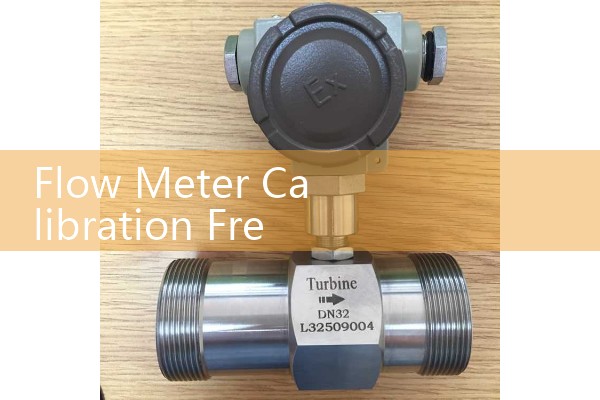
Under calibration is worse. The meter reading becomes the official record. If the record is wrong, inventory, billing, and process control shift. Silver Instruments recommends a baseline verification at installation, then a risk based schedule. Start with 12 months and review after two years. Extend only if drift stays below 0.2 percent per year.
What a Calibration Check Includes
Factory recalibration includes a documented point curve, traceability, and a before and after report. We check zero stability, span, linearity, and repeatability. For volumetric meters we check viscosity compensation and PT100 temperature input. We also calibrate pressure transmitters and configure paperless recorders for audit logs. We handle meters from DN15 to DN300 in Nanjing.
Field verification is lighter. For electromagnetic meters we check coil resistance and electrode impedance. For Coriolis meters we compare live density against a known fluid or use a master meter. For vortex and thermal mass meters we verify the 4-20 mA HART output against the flow computer. Always verify the full loop, not just the meter.
FAQ
Question: How often should a Coriolis mass flow meter be recalibrated?
Answer: Clean liquids and gases: 12 to 24 months. Abrasive slurries, high vibration, and billing: 6 to 12 months. Extend only if drift stays below 0.2 percent per year.
Question: Does calibration frequency change for wastewater electromagnetic flow meters?
Answer: Yes. Clean water: 12 months. Raw sewage, sludge, or lime dosing: 6 months because electrode coating and ground ring corrosion affect signal.
Question: Can we extend calibration intervals for custody transfer?
Answer: Only if regulations and contracts allow it. Most custody transfer systems need 6 to 12 month proving cycles.
Question: What information does Silver Instruments need for a calibration quote?
Answer: Send fluid type, viscosity in cP, pipe size in DN, flow range in kg/h or m3/h, pressure in bar, temperature in °C, and current meter model.
Question: Is factory recalibration necessary or is field verification enough?
Answer: Field verification catches gross faults. Factory recalibration is needed after drift, repair, or when traceability is required. Use annual field checks and factory recalibration every 2 to 4 years.
Recommended Starting Schedule
If you have no historical data, use these starting intervals. Clean water and clean chemicals: 12 months. Wastewater and sludge: 6 months. Steam and compressed air: 12 months. Fuel oil, diesel, and viscous food fluids: 6 months. Abrasive slurry and mining: 3 to 6 months. After two cycles, review the before and after error. Extend one step if drift is below 0.3 percent. Shorten if drift is above 0.5 percent.
Need a specific recalibration schedule? Send us your fluid, pressure, temperature, pipe size, and flow range. Contact Silver Automation Instruments by phone at +86-25-68650347 or WhatsApp at +86-25-52155837. WeChat is +86 15365082610. You can also review technical specifications on flow-meter.com.au.
 Hot Blog
 Related AD