Current position > News detail
aromatic oil flow meter
『aromatic oil flow meter』Related information(v cone flow meter|rotary gas meter|gallon meter|gear meter|metal tube rotameter|glass tube rotameter|nutating disk meter|transit time ultrasonic flow meter|wedge flow meter|pd meters|hydraulic flow meter|ultrasonic water flow meter|water flow meter|air flow meter|magnetic water flow meter|oxygen flow meter|gas flow meter|argon flow meter|air velocity meter|gasoline flow meter|fuel flow meter|ultrasonic water meter|digital water meter|nitrogen flow meter|solid flow meter|Oxygen tank flow meter|digital water flow meter|diesel fuel flow meter|steam flow meter|02 flow meter|compressed air flow meter|oil flow meter|liquid flow meter)
 **Aromatic Oil Flow Meters: Precision Measurement for Fragrance and Flavor Industries**
In the world of essential oils, fragrances, and flavor concentrates, precision is paramount. Aromatic oils—whether derived from natural botanicals or synthesized in laboratories—are high-value, often viscous, and sometimes chemically complex fluids. To ensure quality control, consistent production, and accurate billing, industries rely on specialized instruments known as aromatic oil flow meters. These devices measure the rate or total volume of oil moving through pipes or filling lines, enabling manufacturers to maintain exact formulations and minimize waste.
**The Unique Challenges of Aromatic Oils**
Measuring the flow of aromatic oils is not as straightforward as measuring water or simple fuels. Aromatic oils often have high viscosity, meaning they flow slowly and can cling to pipe walls. Some oils contain suspended particles, such as plant waxes or sediment, which can clog standard meters. Additionally, many essential oils are volatile and have low flash points, making safety a critical concern—meters must be explosion-proof and resistant to chemical corrosion. Temperature fluctuations can also affect oil density and viscosity, requiring meters with temperature compensation.
**Types of Flow Meters for Aromatic Oils**
Several flow meter technologies are suitable for aromatic oils, each with distinct advantages:
1. **Coriolis Mass Flow Meters** – These are widely considered the gold standard for aromatic oil measurement. Coriolis meters directly measure mass flow, not volume, so they are unaffected by changes in viscosity, density, or temperature. They provide exceptional accuracy (typically ±0.1% or better) and can also measu
**Aromatic Oil Flow Meters: Precision Measurement for Fragrance and Flavor Industries**
In the world of essential oils, fragrances, and flavor concentrates, precision is paramount. Aromatic oils—whether derived from natural botanicals or synthesized in laboratories—are high-value, often viscous, and sometimes chemically complex fluids. To ensure quality control, consistent production, and accurate billing, industries rely on specialized instruments known as aromatic oil flow meters. These devices measure the rate or total volume of oil moving through pipes or filling lines, enabling manufacturers to maintain exact formulations and minimize waste.
**The Unique Challenges of Aromatic Oils**
Measuring the flow of aromatic oils is not as straightforward as measuring water or simple fuels. Aromatic oils often have high viscosity, meaning they flow slowly and can cling to pipe walls. Some oils contain suspended particles, such as plant waxes or sediment, which can clog standard meters. Additionally, many essential oils are volatile and have low flash points, making safety a critical concern—meters must be explosion-proof and resistant to chemical corrosion. Temperature fluctuations can also affect oil density and viscosity, requiring meters with temperature compensation.
**Types of Flow Meters for Aromatic Oils**
Several flow meter technologies are suitable for aromatic oils, each with distinct advantages:
1. **Coriolis Mass Flow Meters** – These are widely considered the gold standard for aromatic oil measurement. Coriolis meters directly measure mass flow, not volume, so they are unaffected by changes in viscosity, density, or temperature. They provide exceptional accuracy (typically ±0.1% or better) and can also measu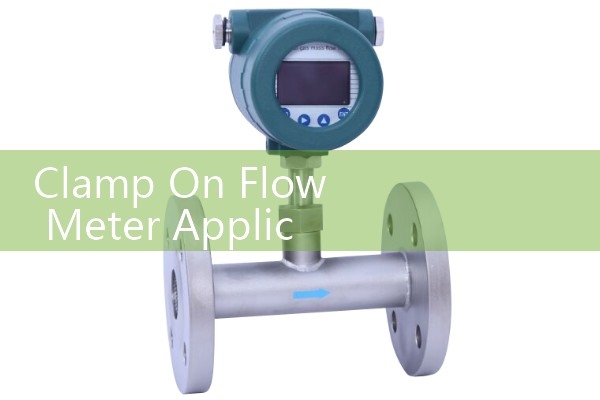 re density and temperature simultaneously. Their lack of moving parts makes them low-maintenance and resistant to clogging. However, they tend to be more expensive than other types.
2. **Positive Displacement (PD) Meters** – PD meters are excellent for high-viscosity oils. They trap a fixed volume of fluid between rotating gears, pistons, or vanes and count the number of trapped volumes to measure flow. They are reliable and accurate for viscous fluids, but moving parts may wear over time and require periodic maintenance.
3. **Ultrasonic Flow Meters** – Using sound waves to measure flow velocity, ultrasonic meters are non-invasive and have no moving parts, making them ideal for hygienic or sensitive applications. They are suitable for low to medium viscosity oils and can be clamped onto existing pipes, reducing installation costs. Accuracy may decrease if the oil contains bubbles or particles.
4. **Gear Flow Meters** – A subtype of PD meters, gear meters are compact and affordable, often used in batch filling or dispensing machines for essential oils. They handle moderate viscosities well but may struggle with very thick oils or contaminants.
**Key Selection Criteria**
When choosing a flow meter for aromatic oils, consider the following factors:
- **Viscosity Range** – Ensure the meter is rated for the specific oil’s viscosity (e.g., low-viscosity citrus oils vs. thick patchouli or vanilla absolutes).
- **Flow Rate** – Both minimum and maximum flow rates must match production requirements.
- **Material Compatibility** – Wetted parts should be stainless steel, Hastelloy, or PTFE to resist corrosion from acidic or reactive oils (e.g., cinnamon, clove, or wintergreen).
- **Sanitary Standards** – For food-grade or ther
re density and temperature simultaneously. Their lack of moving parts makes them low-maintenance and resistant to clogging. However, they tend to be more expensive than other types.
2. **Positive Displacement (PD) Meters** – PD meters are excellent for high-viscosity oils. They trap a fixed volume of fluid between rotating gears, pistons, or vanes and count the number of trapped volumes to measure flow. They are reliable and accurate for viscous fluids, but moving parts may wear over time and require periodic maintenance.
3. **Ultrasonic Flow Meters** – Using sound waves to measure flow velocity, ultrasonic meters are non-invasive and have no moving parts, making them ideal for hygienic or sensitive applications. They are suitable for low to medium viscosity oils and can be clamped onto existing pipes, reducing installation costs. Accuracy may decrease if the oil contains bubbles or particles.
4. **Gear Flow Meters** – A subtype of PD meters, gear meters are compact and affordable, often used in batch filling or dispensing machines for essential oils. They handle moderate viscosities well but may struggle with very thick oils or contaminants.
**Key Selection Criteria**
When choosing a flow meter for aromatic oils, consider the following factors:
- **Viscosity Range** – Ensure the meter is rated for the specific oil’s viscosity (e.g., low-viscosity citrus oils vs. thick patchouli or vanilla absolutes).
- **Flow Rate** – Both minimum and maximum flow rates must match production requirements.
- **Material Compatibility** – Wetted parts should be stainless steel, Hastelloy, or PTFE to resist corrosion from acidic or reactive oils (e.g., cinnamon, clove, or wintergreen).
- **Sanitary Standards** – For food-grade or ther『SILVER Official Website SERVICE』
User:flowratemetere66c1Last Time:07/22/2026