

 Current position > Product detail
『Dresser Roots Flow Meter: High Volume Gas Custody Transfer Diaphragm Senses』Related information(v cone flow meter|rotary gas meter|gallon meter|gear meter|metal tube rotameter|glass tube rotameter|nutating disk meter|transit time ultrasonic flow meter|wedge flow meter|pd meters|hydraulic flow meter|ultrasonic water flow meter|water flow meter|air flow meter|magnetic water flow meter|oxygen flow meter|gas flow meter|argon flow meter|air velocity meter|gasoline flow meter|fuel flow meter|ultrasonic water meter|digital water meter|nitrogen flow meter|solid flow meter|Oxygen tank flow meter|digital water flow meter|diesel fuel flow meter|steam flow meter|02 flow meter|compressed air flow meter|oil flow meter|liquid flow meter)
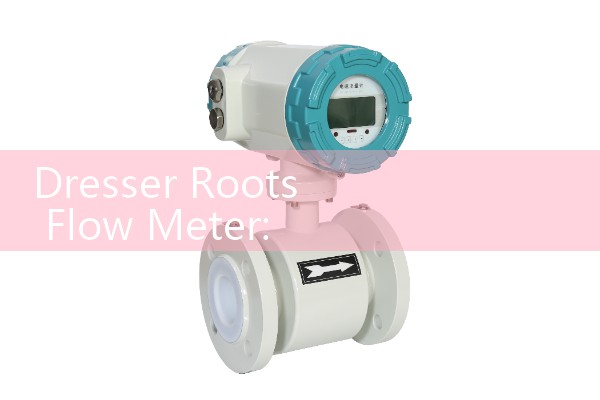
Dresser Roots Flow Meter: High Volume Gas Custody Transfer and Diaphragm Sensing Support
Quick Answer: Dresser Roots meters are rotary positive displacement gas meters used in high volume custody transfer applications. Diaphragm sensing usually means the pressure and temperature transmitter loop that corrects gross gas volume to standard conditions. Silver Automation Instruments supplies the PT100 sensors, diaphragm pressure transmitters, and paperless recorders that work alongside these metering packages in gas distribution, chemical plants, and utility service.
Where Dresser Roots Meters Fit in High Volume Gas Custody Transfer
Dresser Roots type meters move gas through two figure-eight lobes inside a cast iron or steel body. Each lobe rotation traps a fixed volume of gas. That gives a direct reading of gross volume at line conditions. We see these meters on natural gas district stations, biogas blending skids, and propane air systems across Southeast Asia and Latin America. In practice a DN80 meter might handle 160 Nm3/h at 4 barg. A DN150 meter can push over 650 Nm3/h at the same pressure. That range covers many high volume custody transfer points without the straight run requirements of a turbine meter.
Diaphragm Sensing Role in Pressure and Temperature Correction
Gas volume changes with pressure and temperature. A rotary gas meter counts actual volume only. Custody transfer needs standard volume or energy units. The diaphragm in the pressure transmitter senses line pressure and sends a 4-20 mA HART signal. A PT100 RTD probe reads gas temperature. A flow computer then calculates standard volume using AGA8 or ISO 12213 methods. Diaphragm sensing here does not replace the Roots meter. It completes the correction loop. We have seen customer sites where a wrong pressure range caused a 2.7 percent billing error on a 25,000 Nm3 per day stream. For a natural gas utility that error adds up fast.
Calibration and Verification for Custody Transfer
Custody transfer metering usually follows a periodic proving or reference meter check. The frequency depends on the local regulations in the country where the station operates. In Malaysia a gas utility may verify a rotary meter every five years. In the Middle East some operators do it every two years because of sand and high inlet temperature. The pressure transmitter and PT100 should be checked at the same time. A simple zero check and a known pressure source can catch drift before it becomes a billing dispute. Silver Instruments ships calibration certificates with every pressure transmitter and temperature probe.
Meter Selection and Installation Details That Matter
Specify line pressure in barg, gas temperature in °C, and flow range in Nm3/h. Also state the gas composition if you have it. For dirty gas a strainer upstream is a st
How Silver Instruments Supports Gas Metering Packages
Silver Automation Instruments supplies the correction loop around high volume gas meters. We build pressure transmitters with 4-20 mA HART output, PT100 RTD probes, and paperless recorders. A gas distributor in the Philippines ordered six diaphragm pressure transmitters and six PT100 probes for a Dresser Roots type meter upgrade last year. The operating range was 0 to 16 barg and 10 to 45 °C. We configured the transmitters with zero span and sent the test sheets with the shipment. This kind of order is routine for us.
What to Send for a Quote
Tell us the gas type, line pressure in barg, operating temperature in °C, pipe size in DN, and the minimum and maximum flow rate in Nm3/h or Sm3/h. Also mention if the meter is for custody transfer or process balance. Send this data to Silver Automation Instruments. Tel: +86-25-68650347. Whatsapp: +86-25-52155837. WeChat: +86 15365082610.
FAQ: Dresser Roots Flow Meter and Diaphragm Sensing
Question 1: Is a Dresser Roots flow meter a diaphragm meter?
No. A Dresser Roots meter uses two rotating lobes to trap gas volume. Diaphragm sensing refers to the pressure and temperature correction loop that supports custody transfer.
Question 2: What pressure and temperature input does a custody transfer panel need?
Most panels accept 4-20 mA HART signals from a diaphragm pressure transmitter and a PT100 RTD. The flow computer uses these signals to convert gross volume to standard volume.
Question 3: Can Silver Instruments replace a Dresser Roots meter directly?
We do not manufacture the rotary gas meter body. We supply the matched pressure transmitters, temperature probes, and recorders needed to complete the custody transfer package.
Question 4: What information is required for a gas flow meter quote?
Send line pressure in barg, temperature in °C, pipe size in DN, flow range in Nm3/h, and gas composition. That gives us enough data to recommend a pressure transmitter and temperature probe range.
Question 5: Why do gas volume readings differ from the contractual energy invoice?
Gross volume is not the same as standard volume. Pressure and temperature correction must use real time signals. A missing or wrong diaphragm pressure transmitter can shift the billing volume by several percent.