

 Current position > News detail
『Bourdon Flow Meter: Sourcing Traditional Dial Display Needle Valve Regulators』Related information(v cone flow meter|rotary gas meter|gallon meter|gear meter|metal tube rotameter|glass tube rotameter|nutating disk meter|transit time ultrasonic flow meter|wedge flow meter|pd meters|hydraulic flow meter|ultrasonic water flow meter|water flow meter|air flow meter|magnetic water flow meter|oxygen flow meter|gas flow meter|argon flow meter|air velocity meter|gasoline flow meter|fuel flow meter|ultrasonic water meter|digital water meter|nitrogen flow meter|solid flow meter|Oxygen tank flow meter|digital water flow meter|diesel fuel flow meter|steam flow meter|02 flow meter|compressed air flow meter|oil flow meter|liquid flow meter)
Bourdon Flow Meter Sourcing: Traditional Dial Display Needle Valve Regulators
Quick Answer: A traditional dial display with a Bourdon tube and a needle valve regulator still works well for gas, water, and steam lines. You can source this setup by specifying pipe size, dial range, material, and process fluid. Send us your pressure (bar), temperature (°C), pipe size (DN), and flow range for a quote from Silver Automation Instruments.
What a Bourdon Flow Meter Does in a Process Line
A Bourdon tube flow meter is not a single primary sensor like an electromagnetic flow meter. Many process lines combine a primary flow element, a differential pressure device, and a local dial gauge. The Bourdon tube sits inside the dial gauge and moves when pressure changes. A needle valve regulator sits in the impulse line to isolate or dampen the pressure signal.
In practice, the needle valve does the small work that protects the gauge. It limits the pressure pulse before it hits the Bourdon tube. It also lets a technician isolate the gauge without shutting down the whole line.
Traditional Dial Display vs Digital Transmitter
A traditional dial display needs no power and gives a direct reading. This matters for gas skids in remote parts of Africa and for water plants in Southeast Asia where operators do not always carry a HART communicator. A 4-20 mA HART transmitter sends data to a PLC, but a dial still works during a power failure.
We have supplied many pressure transmitters and paperless recorders to customers who still keep the dial display on the skid. If your existing dial display is old, Silver Automation Instruments can match a replacement transmitter or a needle valve for the impulse line. Common impulse line connections include 1/4 inch NPT, 1/2 inch NPT, or DN15 flanged.
Needle Valve Regulator Sizing and Material Selection
Do not select a needle valve regulator by price alone. The valve must match the pressure, temperature, and fluid. A water line at 10 bar and 25 °C can use a brass valve with PTFE packing. A gas line at 60 bar and 80 °C needs 316L stainless steel internals and stronger packing. Oxygen service needs cleaned parts with no oil and special material certificates.
We have seen this on customer sites many times. A buyer in a Middle East water station installed a brass needle valve on a seawater line. The valve body cracked within months. For seawater, use 316L stainless steel or duplex stainless steel. For food and beverage plants, use 316L stainless steel with sanitary end connections. For chemical dosing and ultrapure water systems with conductivity below 1 µS/cm, check the wetted O-ring and packing against your chemical compatibility table.
Key Specifications to Request from Suppliers
When you send a quote request, list these details. Pipe size in DN or inch. Process fluid and viscosity in cP if the fluid is not water. Pressure in bar. Temperature in °C. Flow range in kg/h, m3/h, or L/min. Connection type such as NPT, BSP, flanged, or compression fitting.
Include the dial range. A 0 to 10 bar dial display is not the same as a 0 to 100 bar dial. If the needle valve sits between the process and a transmitter, include the transmitter input range. If gas flow measurement needs density correction, also list the process temperature sensor type such as PT100 or thermocouple. Silver Automation Instruments can supply a pressure transmitter with a 4-20 mA HART output and a matching dial gauge for local indication.
Installation and Calibration in the Field
Most engineers skip this part. They mount the dial gauge and needle valve first, then ask why the read
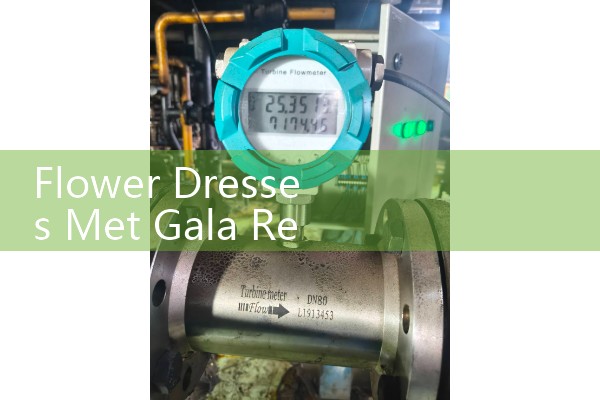
In a recent case, a paint manufacturer in Vietnam replaced three dial gauges before our support team found the issue. The needle valve regulator was throttled too far. The operator thought the line was isolated, but it was not fully open. After the valve was set to a half-open position and the gauge was zeroed, the reading stabilized.
Pricing and Lead Time Factors
Traditional dial display Bourdon tube gauges are low cost. Standard units often range from 20 to 80 USD depending on size and material. Needle valve regulators range from 15 to 120 USD for brass or 316L stainless steel. Exotic alloys such as Monel or Hastelloy push the price higher. Standard lead time is 1 to 3 weeks. Custom dial ranges or special cleaning can add 2 to 4 weeks.
Silver Automation Instruments keeps pricing clear for SME buyers in oil and gas, water and wastewater, chemical, food and beverage, and marine industries. We ship to Southeast Asia, Oceania, Latin America, Africa, and the Middle East.
Silver Instruments Recommendations
If you need a Bourdon flow meter with a traditional dial display, buy the flow element, needle valve regulator, and dial display as a matched set. This avoids mixed connections and mismatched threads. If you plan to upgrade later, add a pressure transmitter with a local dial and 4-20 mA HART output. Silver Automation Instruments can supply the transmitter, valve assembly, and recorder in one package.
For new projects, consider an electromagnetic flow meter or oval gear flow meter from Silver Automation Instruments. These instruments give you digital output, totalization, and remote monitoring. But if the operator requires a dial on the skid, we will include a local dial display in the design.
FAQ
What is the difference between a Bourdon tube gauge and a flow meter?
A Bourdon tube gauge reads pressure. A flow meter reads flow rate. Some flow systems use a differential pressure element and a Bourdon dial to estimate flow. It is not a direct mass flow reading like a Coriolis meter gives.
Can I use a brass needle valve for seawater?
No. Seawater corrodes brass quickly. Use 316L stainless steel or duplex stainless steel. Bronze can work in some marine systems, but confirm the alloy with the supplier.
What dial range should I specify?
Choose a dial range where the normal operating pressure sits at 40 to 60 percent of full scale. For a normal pressure of 6 bar, a 0 to 10 bar dial is good. For a normal pressure of 60 bar, use a 0 to 100 bar dial.
How do I know if I need ATEX Zone 1 certification?
Ask your site electrical engineer. If the instrument is installed in a hazardous area with gas or dust, you may need ATEX Zone 1 or Zone 2 certification. Silver Automation Instruments can supply pressure transmitters with ATEX approval for these locations.
What is the typical lead time for a needle valve regulator?
Standard brass or 316L stainless steel needle valve regulators take 1 to 3 weeks. Special materials or cleaning take 2 to 4 weeks. Large quantities may take longer depending on supplier workload.
Contact Silver Automation Instruments for a quote. Tel: +86-25-68650347. Whatsapp: +86-25-52155837. WeChat: +86 15365082610. Send us your pressure (bar), temperature (°C), pipe size (DN), and flow range.