

 Current position > Product detail
『Best Flow Meter for Slurry: Sourcing Electromagnetic and Doppler Shift Probes』Related information(v cone flow meter|rotary gas meter|gallon meter|gear meter|metal tube rotameter|glass tube rotameter|nutating disk meter|transit time ultrasonic flow meter|wedge flow meter|pd meters|hydraulic flow meter|ultrasonic water flow meter|water flow meter|air flow meter|magnetic water flow meter|oxygen flow meter|gas flow meter|argon flow meter|air velocity meter|gasoline flow meter|fuel flow meter|ultrasonic water meter|digital water meter|nitrogen flow meter|solid flow meter|Oxygen tank flow meter|digital water flow meter|diesel fuel flow meter|steam flow meter|02 flow meter|compressed air flow meter|oil flow meter|liquid flow meter)
Best Flow Meter for Slurry: Sourcing Electromagnetic and Doppler Shift Probes
Quick Answer: For permanent and accurate slurry measurement, an electromagnetic flow meter is the best first choice. For non-invasive checks on existing pipes, a Doppler shift clamp-on probe works. Silver Automation Instruments supplies both types with liners and electrodes built for abrasive service.
Here is the thing. Slurry flow measurement is not the same as clean water metering. Solids settle, pipes wear, and sensors foul. Most engineers skip the clean water spec sheet and start with the solids profile. We have seen this on customer sites many times.
A copper mine in Indonesia measured tailings at 68% solids by weight. A standard electromagnetic meter with a PTFE liner lasted less than eight months. The replacement used a ceramic liner and a tungsten carbide electrode. That unit has run for over three years without liner failure.
Why an electromagnetic flow meter works for slurry
Electromagnetic flow meters measure conductive liquids. Slurry made with water, process liquor, or seawater usually has enough conductivity. The minimum is about 5 µS/cm. This type of meter has no moving parts and no obstructions inside the pipe. That means no impeller to jam and no orifice to erode.
Sizes at Silver Automation Instruments start at DN15 and go up to DN600. The SIL-EMF series supports flow ranges from 0.1 m/s to 10 m/s. Output choices include 4-20 mA HART, pulse, and RS485 Modbus. Flanged models can be ordered with ATEX Zone 1 certification for mining and chemical plants.
Because electromagnetic meters read volume flow, viscosity changes do not hurt accuracy. A slurry at 500 cP or 2000 cP still reads correctly if the flow profile is full pipe. That is a big advantage over mechanical meters.
When the Doppler shift probe is the right tool
The Doppler shift probe is a clamp-on ultrasonic device. It sends sound into the pipe and listens for reflections from particles or gas bubbles. If the slurry has enough solids, the frequency shift gives velocity. You then multiply by pipe area to get flow.
This method is not as accurate as a good electromagnetic meter. In practice, accuracy is about 2% to 5% of reading under good conditions. But the clamp-on design needs zero pipe cutting. A customer in the Philippines used one on a DN150 dredge line while the dredge was still operating. They needed a temporary check, not a permanent installation.
Use a Doppler shift probe when you cannot stop the process. Also use it when the pipe material or pressure class makes inline installation expensive. The minimum particle count is around 100 ppm. Velocity should stay above 0.3 m/s for stable readings. For clean water, the Doppler probe will not work. You need an electromagnetic meter or another inline device.
Liner and electrode selection for abrasive slurry
Liner choice decides service life. For abrasive slurry above 40% solids, ceramic is the best option. It resists erosion from sand, ore, and tailings. The downside is thermal shock risk. Keep temperature changes slow if the slurry temperature exceeds 80°C.
Polyurethane liner works for moderate abrasive service. It is common in wastewater sludge and paper stock. Temperature limit is usually 60°C. PTFE liner suits chemical slurry and high temperature up to 120°
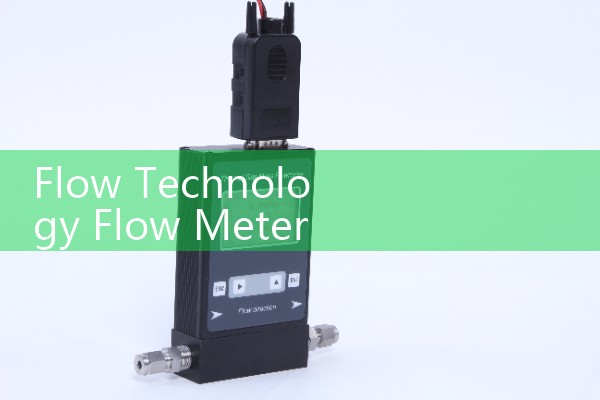
Electrode material also matters. We recommend tungsten carbide for hard particles. Stainless steel 316L works for fine chemical slurry. Hastelloy C is available for acidic slurry. Tell us your pH and chloride content. We will match the electrode to your fluid.
Installation notes that save field time
Electromagnetic flow meters need a full pipe. Mount the sensor in a low point or in an upward vertical run if possible. Keep the sensor away from the discharge of a piston pump. Air pockets cause unstable readings.
Grounding rings are often required for slurry. Plastic pipes or lined pipes need grounding rings or a reference electrode. Without proper grounding, the meter drifts. Most engineers find this after a bad startup.
For Doppler probes, install the clamp-on sensors on a straight pipe section. Ten pipe diameters upstream and five downstream is a good starting point. Clean the pipe surface and apply couplant. If the pipe wall is thick or made of concrete, Doppler may not work. Check the pipe material before quoting.
Sourcing from Silver Automation Instruments
Silver Automation Instruments is a flow meter manufacturer and supplier for slurry applications. We stock electromagnetic flow meters for slurry. We ship to Southeast Asia, Oceania, Latin America, Africa, and the Middle East. Our factory supports DN15 to DN600 in rubber, PTFE, polyurethane, and ceramic liners. Doppler shift probes cover DN25 to DN300 with clamp-on sensors.
Pricing depends on liner material, size, pressure rating, and hazardous area certification. A ceramic liner DN80 electromagnetic meter costs more than a polyurethane DN80. But the ceramic option often outlasts three polyurethane liners in hard rock slurry.
Send us your slurry type, solids content (%), pipe size (DN), flow range (m3/h), temperature (°C), and pressure (bar). We will reply with a model match and quote. Contact Silver Automation Instruments at Tel: +86-135-1213-1526, Whatsapp: 86-135-12131526, WeChat: +86 13512131526.
FAQ
What is the best flow meter for slurry? An electromagnetic flow meter is the best inline choice for conductive slurry. It has no moving parts and handles high solids with the right liner. For non-invasive checks, a Doppler shift probe is a practical option.
Can a Doppler shift flow meter handle slurry with no air bubbles? Yes. Doppler shift flow meters only need suspended particles or bubbles. Slurry with solid particles works well. Clean water without solids or bubbles will not give a signal.
What liner material should I choose for abrasive slurry? Ceramic is the best for abrasive slurry above 40% solids. Polyurethane works for moderate abrasive service like sludge and paper stock. PTFE suits chemical slurry with high temperature but wears faster in hard rock ore.
What is the minimum conductivity for an electromagnetic flow meter? The fluid should have at least 5 µS/cm. Most water based slurries exceed this. Oil based slurries with low water content may not work with electromagnetic meters.
How do I get a slurry flow meter quote from Silver Instruments? Send your slurry type, solids content (%), pipe size (DN), flow range (m3/h), temperature (°C), and pressure (bar). Contact us at Tel: +86-135-1213-1526 or Whatsapp: 86-135-12131526.